Emergency management hardly ever looks heroic in the moment. It resembles a tranquil voice on a crackling radio, a stable hand on a door that sticks, a headcount created with a candid pencil while alarms howl. The PUAFER006 course, Lead an emergency situation control organisation, is developed for those minutes. It prepares chief wardens and replacement chief wardens to work with emptyings, straight emergency control organisation (ECO) groups, and steer the post-incident evaluation that shapes what occurs following. If PUAFER005 has to do puafer005 with running as part of an ECO, PUAFER006 has to do with lugging the weight of choices when secs seem like a long time.
I have trained both wardens and chief wardens throughout workplace towers, manufacturing plants, medical facilities, shopping centres, and remote depots. The best leaders do not shout or improvise hugely. They prepare, drill, and after that act with silent authority. That is the basic the PUAFER006 course aims to instil, and it matches the PUAFER005 course that develops the foundation for every warden.
The practical distinction between PUAFER005 and PUAFER006
PUAFER005, Run as component of an emergency situation control organisation, gears up wardens to recognise emergencies, comply with procedures, move their locations, marshal occupants, and work under the direction of a chief warden. It is the baseline for fire warden training throughout Australian offices, and it verbalizes fire warden requirements, functions, and communication procedures. Individuals often treat it as a one-off fire warden course, however the very best programs treat it as a living skill set, refreshed every 6 to twelve month with drills and situation practice.
PUAFER006, Lead an emergency situation control organisation, moves from execution to leadership. It anticipates you to analyze insufficient info, pick partial proof, and incorporate suggestions coming from wardens, building systems, and emergency solutions. Where PUAFER005 concentrates on "what to do," PUAFER006 is about "what to decide" and "who does what, when." It includes escalation triggers, the choice to shelter in position or leave, staging and marshalling points, lifts and stairway strategy, prone persons monitoring, communications method, and the framework of a post-incident debrief.
In short, if PUAFER005 is the foundation of emergency warden training, PUAFER006 is the mind and the voice.
The leadership mindset in an ECO
The chief warden stands at the centre of the ECO. That duty is not ceremonial, and it is not specified by a headgear alone. Still, hat colours aid residents promptly determine leaders. In Australian technique, wardens frequently put on red, communications police officers white with a blue red stripe, flooring wardens yellow, and the chief warden typically white. When a person asks, what colour helmet does a chief warden wear, white is the normal answer. That visibility issues when people are scared and looking for direction.
Leadership under stress needs three top qualities that the PUAFER006 course gives life.
First, pattern acknowledgment. Emergencies are unforeseeable, however they do rhyme. An electric space fire has dead giveaways. A clinical emergency situation in a parking area complies with a path of feedback that your team need to practice. A dangerous spill in a storage facility with poor ventilation need to spring an acquainted playbook, not a panicked debate.
Second, disciplined communication. The chief warden can not be all over. Details streams in, and decisions go out. The radio script, the status boards, and the SOS message to residents must be short, accurate, and free of dramatization. I have actually seen one unpleasant radio transmission trigger confusion throughout 3 floors. The program drills radio discipline for precisely that reason.
Third, pre-incident impact. Effective chief wardens silently form their work environments well prior to an alarm starts. They work with structure monitoring on emptying layouts, they promote unblocked egress, and they include human resources in keeping a current checklist of mobility-impaired passengers. They firmly insist that emergency warden training is not box-ticking, and they fight for reasonable drills. When the phone call comes, those disagreements pay off.
What the PUAFER006 course normally covers
RTOs differ in distribution and focus, yet the competency has a consistent core:
- Planning and coordination of ECO activities, including the visit and instruction of wardens, deputy wardens, interactions police officers, and first aiders. Real-time analysis of emergencies, consisting of initial size-up, risk identification, and decision-making thresholds for evacuate, partial evacuate, or shelter in place. Communications, from radio treatments to statements, SMS alert themes, and liaison with emergency situation services. Evacuation monitoring, including vertical and straight evacuation, spill-safe paths, lift lockouts, and assembly point management. Post-incident activities, consisting of audit for individuals, incident logs, instant salvage and re-entry controls, and formal debriefs that feed constant improvement.
The program is useful. Expect circumstance collaborate with injects that complicate the occasion: an obstructed stairwell, a missing out on contractor, an individual that re-enters to recover a bag, a false alarm after you have currently presented the discharge. Those wrinkles show truth. Fire warden training that prevents them really feels neat in a class and breakable on the day.
Fire warden needs and the workplace reality
Regulatory structures expect a work environment to have a documented emergency strategy, an established ECO, discharge representations, and trained wardens. Fire warden requirements in the workplace go beyond nomination. Nominees need to finish ideal training with a concentrate on their site, then revitalize regularly. A five-year-old certification could satisfy a filing system, yet it does not prepare a person to work with a discharge when the reduces out.
For complex sites, the fire warden training requirements range with risk. A multitenant high-rise needs solid sychronisation in between lessee chief wardens and the building's emergency situation control room. A medical facility or aged treatment facility requires split training for straight discharge and safeguarding in position. A gas depot chooses routes that run upwind by default and pre-plans spill control. You can not paste the very same warden course right into every site and anticipate it to work.
A note on titles: "chief fire warden" and "chief emergency warden" appear interchangeably in numerous work environments. The responsibilities are the same. Chief warden responsibilities consist of selecting and educating wardens, maintaining ECO preparedness, ensuring drills, regulating during events, and leading post-incident evaluations. Chief fire warden requirements commonly include intermediary with structure monitoring and understanding of fire panels, cause and effect matrices, and problems procedures for fire systems.
The safety helmet, the vest, and why look still matters
The concern, what colour helmet does a chief warden wear, shows up in nearly every session. The typical Australian convention is white for chief warden, red for wardens. Some sites utilize high-visibility vests with titles on the back, which work well in workplaces where construction hats are currently put on. The chief warden hat colour is not mandated nationally, yet consistency inside a site is essential. Individuals follow what they can see. Throughout one emptying in a mixed-use building, the chief warden used a navy jacket, and two different floor wardens wore white hard hats from a fit-out team. Residents were noticeably overwhelmed regarding that was in charge. Later, the site switched over to entitled vests with oversized text, and complication dropped throughout the following drill.
Building an ECO that really performs
The most successful teams do 4 points well.
They hire extensively. An excellent emergency warden group includes individuals from operations, admin, safety and security, and professionals that are on site everyday. If your ECO is piled with only supervisors, you will lose insurance coverage throughout shift change or lunch.
They map susceptabilities. They maintain an easy register of mobility-impaired passengers, expectant moms and dads that have asked for assistance, and others that could need aid. Privacy issues, however so does security. Two very discreet pals designated per individual, with a key and a back-up, works better than an obscure promise that "a person will certainly assist."
They drill smarter. The very best drills are neither showpieces neither gotcha video games. They challenge a couple of aspects at a time, after that debrief thoroughly. If lifts fail as set, check a stairwell restriction. If your marshals count heads well, inject a visitor without a badge. Develop understanding, not fear.
They preserve devices. Radios charged and labeled, extra batteries in a secured box, high-vis vests awaited the same location every time, megaphones examined monthly, first aid kits checked. This is dull up until it conserves minutes.
The decision factors that specify an incident
Incidents hinge on a couple of crucial calls. In PUAFER006 training, we hang around on those minutes due to the fact that they form outcomes.
One, the early size-up. Before proclaiming a complete emptying, the chief warden evaluates the setting off system, smoke reports, place, time of day, and outside conditions. At 3 a.m., an alarm in an uninhabited floor with a well-known detector fault is different to an alarm system at midday with smoke noticeable. You buy time by asking the appropriate questions and trusting skilled wardens to verify quickly.
Two, partial or full evacuation. A partial evacuation gets control, decreasing blockage in stairways and allowing you to keep essential operations running where secure. It also risks miscommunication. Your radio technique and PA messaging need to be crisp. If you can not assure quality, simplicity success: complete evacuation.
Three, persons unaccounted for. It is tempting to send out wardens back inside. On a great smoky flooring with unidentified fire spread, that is a high-risk option. The safer option is to liaise with fire solutions, provide last recognized locations, and allow them browse with breathing device. Personal courage is not the same as audio command judgment.
Four, re-entry. Re-entry prematurely reverses a great evacuation. Even after the panel resets, check with emergency situation services and perform a fast walk-through where feasible. Search for residual dangers, fall dangers from water, and powered equipment left in dangerous states.

Communications: the art of saying much less, better
No one keeps in mind a five-paragraph PA announcement. People hear the very first sentence and act upon the 2nd. During chief warden training, we practice scripts that use location, action, and peace of mind. For example: "Attention Degree 10. Smoke detector activation in the Level 10 kitchenette. Wardens, explore and report. All others, wait and wait for more direction." If validated, "Attention all levels. Leave by means of the nearby risk-free stairwell and set up at the north car park. Do not make use of lifts."
For radio web traffic, one behavior assists: telephone call signs. "Chief to Flooring 10 Warden, condition," beats "Hey, can a person examine Level 10." Pro words like "wait," "copy," and "repeat" lower obscurity. Speak gradually. In one real incident, a warden's record that "stair A is clear" seemed like "stairway A is obstructed," which changed circulation for 3 minutes till corrected.
Case notes from actual incidents
A manufacturing website with a paint booth had a tiny flash fire that self-extinguished. The chief warden bought a partial evacuation of the paint line and adjacent storehouse, leaving the workplace untouched. The ECO isolated power, made use of a thermal camera, communicated with firefighters, and consisted of the incident to one area. Production resumed 2 hours later. The post-incident review included one step: a much faster air change cycle after paint line stoppages.
A skyscraper with a fit-out staff on Degree 15 set off an alarm with dust. The chief warden began a presented floor-by-floor discharge, but the PA fell short on numerous levels because of an amplifier mistake. Wardens switched to loudspeakers and stairwell news. Occupants moved predictably, no panic. The testimonial wrapped up with 2 upgrades: redundant PA boosting and a basic message sharp system connected to the structure's visitor monitoring database.
An aged care facility encountered a night-time room fire included by a shut door. The chief warden, educated under PUAFER006, directed a horizontal evacuation of one wing, keeping fragile citizens away from staircases. Personnel closed fire doors, sheltered in place with two rooms, and worked under firefighter support. The smoke damages was marginal and no citizen was hurt. That outcome grew from earlier warden training focused on the website's exact layout, not generic drills.
Post-incident evaluation that causes improvement
The post-incident review is where a chief warden's influence multiplies. It must be prompt, evidence-based, and reasonable. Beginning with facts: time stamps from the panel, radio logs, headcounts, system histories. Catch what functioned, what did not, and what nearly failed but did not. Near misses out on teach as much as failures.
Avoid blame, especially in the initial 2 days. Feelings run hot. Focus on processes, not characters. A warden who missed a move could have been covering 2 big zones. A missing out on service provider could expose a gap in site visitor sign-in. A complicated PA could show that the script was too long. Connection actions to proprietors and timelines. If your workplace makes use of a risk register, log things there, not just in conference minutes.
For several sites, one or two enhancements after each drill or occasion compound right into robust strength. Over a year, those modifications may include a changed emptying representation, a broadened ECO lineup, updated radio tags, added directional signs, or a weather-alternative assembly point when summer heat is brutal.
Integrating PUAFER005 and PUAFER006 right into a training cadence
A good training tempo mixes both units. Wardens full PUAFER005 to build skills with functions and procedures. Picked leaders finish the PUAFER006 course to step into chief warden or deputy functions, and to coach others. Refresher courses occur a minimum of each year, and drills happen more often than that. Websites with higher threats or high turnover benefit from quarterly workouts, with at least one including outside services each year.
Many RTOs deliver a mixed pathway that consists of both PUAFER005 and PUAFER006, particularly for new ECOs. This can be efficient when developing a team from square one, however there is value detailed as well. A focused PUAFER006 course with scenario-heavy practice is tough to beat when developing chief warden judgment.
Common inquiries, useful answers
People frequently inquire about the chief fire warden hat colour. As kept in mind, white is the common choice. If your site uses vests as opposed to headgears, make the chief warden vest white or intense lime with huge black lettering. Consistency is more vital than fashion.
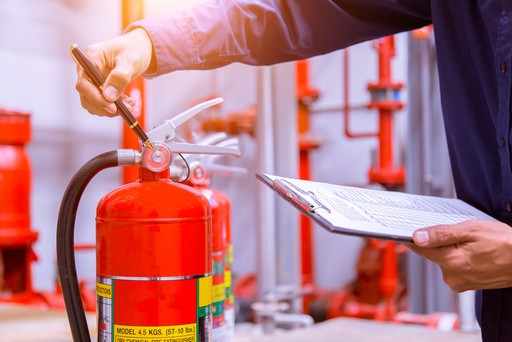
Another regular question revolves around fire warden requirements in the workplace. Past nominating people, the obligation includes training, ongoing competence, and resourcing. If your wardens do not have radios, if the discharge diagrams are obsoleted, or if the setting up area is blocked by construction, you do not have a genuine ECO. That is a liability in both safety and security and compliance terms.
Chief warden obligations often feel expansive. They are. However delegation belongs to the duty. Usage deputy chief wardens to manage alternating departures, appoint a scribe to preserve the event log, and equip floor wardens to make local calls aligned with your strategy. The chief fire warden duties consist of making sure the equipment runs, not doing every task personally.
When to shelter in place
Evacuation is not always much safer. In chemical incidents upwind of a site, in fierce trespasser circumstances, or when smoke problems make stairways unsafe, sheltering in place can be the very best choice. PUAFER006 training covers this, yet workplaces need to prepare the information. Which spaces secure well, which have water and commodes, exactly how to regulate air movement, and how to interact precise updates. After a burglar drill at a rural school, one team learned that their selected sanctuary space had a glass wall surface facing a corridor. They changed to an extra protected internal area and set up power outage blinds.
Contractors, visitors, and evening shifts
Most evacuation failings map to people who rest outside typical processes. Contractors move around without managers. Site visitors do not understand the stairs. Graveyard shift are lean and often depend on a single warden that covers too much ground. The option is a mix of controls. Daytime receptions must issue site visitor badges with evacuation guidelines, and the badge must consist of the assembly factor. Specialist supervisors ought to be inducted with particular obligations under the ECO. Night shift work requires a smaller sized, attainable plan: less areas, straight stairway gain access to, and a second warden offered on-call. During one late-night event at a circulation centre, a two-person ECO evacuated 80 workers smoothly because the site had preassigned muster captains amongst forklift leads. Straightforward, regional leadership functions when formal insurance coverage is thin.
Documentation that assists as opposed to hides
Emergency plans are well-known for thickness and inertia. Chief warden training urges lean papers that individuals can use in warm. A one-page circulation for alarm kinds and initial activities beats twenty web pages of prose. Emptying diagrams belong in every tenancy, updated after design adjustments. Radio phone call sheets, wardens' contact lists, and headcount kinds ought to be present and printed, not simply hidden in a network drive.
For numerous websites, a pocket-sized ECO card with key call indications, scripts, and assembly factors comes to be a favourite device. The very best fire warden course companies provide these as component of the kit, with area to write local details. If your provider does not, make your own.
Selecting and supporting chief wardens
Not everyone desires the function, and that is great. Seek tranquil temperaments, organisational credibility, and a determination to practice. Previous army or emergency solution experience assists, yet it is not required. A solid operations supervisor with great radio behaviors frequently stands out. Supply time for chief warden training and drills, not just expectations. Identify the obligation officially. Individuals will take the duty seriously if the organisation does.
If you run a large site, develop a replacement chief warden turning. This grows bench toughness and guarantees coverage. Throughout vacation periods, release a clear lineup and a contingency. Emergency situations are agnostic regarding rosters.
How a good post-incident review enhances insurance coverage and compliance
Insurers appreciate loss prevention, not simply cases. Demonstrating that you finished a structured post-incident testimonial, carried out restorative activities, and preserved your ECO can affect premiums and underwriting terms. Regulatory authorities and building managers respond likewise. The economic situation for severe warden training is not abstract. I have actually seen a single electrical space fire trigger a six-figure company disruption, and I have actually seen the exact same threat neutralised in minutes since the ECO isolated a panel and escorted contractors effectively for repairs.
What a strong PUAFER006 course looks like
When you examine a company for a PUAFER006 course or a chief fire warden course, seek circumstance time. Tabletop workouts with maps, radio website traffic, and timed choices defeat lengthy talks. Ask whether they can personalize injects to your website risks, such as ammonia systems, lithium battery storage, or public groups. Examine that they can run mixed sessions with wardens who finished PUAFER005, so leaders and wardens technique with each other. Confirm that they cover post-incident review with design templates you can take away.
Good suppliers also acknowledge the realities of human behaviour. People freeze, over-help, or resist instruction. A legitimate training course addresses those characteristics, not simply the technical steps.
A short area list for chief wardens
- Take charge and declare the occurrence. Designate duties early: scribe, comms, flooring checks. Verify the area and nature of the emergency promptly. Use wardens for eyes-on. Decide on discharge extent and introduce clearly. Keep messages brief and specific. Account for individuals at the assembly point. Track unaccounted names and last recognized locations. Control re-entry and begin the post-incident log and debrief within 24 to 72 hours.
The peaceful payoff
A great emergency warden course reassures. A solid chief warden course provides command presence. Together, they develop a society where alarms are met with deliberate motion instead of complication. Gradually, wardens speak even more plainly, owners abide quicker, and cases diminish in effect. The white chief warden hat, or the title on a vest, comes to be less concerning authority and more about solution: the responsibility to lead under pressure, to believe while others move, and to assist an office gain from every alarm it faces.

For organisations evaluating whether to purchase PUAFER005 and PUAFER006 training, the choice is not just about compliance. It is an investment in individuals that will certainly stand stable when it counts, coordinate emptying with treatment, and run post-incident evaluations that make tomorrow more secure than yesterday.
Take your leadership in workplace safety to the next level with the nationally recognised PUAFER006 Chief Warden Training. Designed for Chief and Deputy Fire Wardens, this face-to-face 3-hour course teaches critical skills: coordinating evacuations, leading a warden team, making decisions under pressure, and liaising with emergency services. Course cost is generally AUD $130 per person for public sessions. Held in multiple locations including Brisbane CBD (Queen Street), North Hobart, Adelaide, and more across Queensland such as Gold Coast, Sunshine Coast, Toowoomba, Cairns, Ipswich, Logan, Chermside, etc.
If you’ve been appointed as a Chief or Deputy Fire Warden at your workplace, the PUAFER006 – Chief Warden Training is designed to give you the confidence and skills to take charge when it matters most. This nationally accredited course goes beyond the basics of emergency response, teaching you how to coordinate evacuations, lead and direct your warden team, make quick decisions under pressure, and effectively communicate with emergency services. Delivered face-to-face in just 3 hours, the training is practical, engaging, and focused on real-world workplace scenarios. You’ll walk away knowing exactly what to do when an emergency unfolds—and you’ll receive your certificate the same day you complete the course. With training available across Australia—including Brisbane CBD (Queen Street), North Hobart, Adelaide, Gold Coast, Sunshine Coast, Toowoomba, Cairns, Ipswich, Logan, Chermside and more—it’s easy to find a location near you. At just $130 per person, this course is an affordable way to make sure your workplace is compliant with safety requirements while also giving you peace of mind that you can step up and lead when it counts.